
Cryptocurrency is surging toward mainstream adoption—Bitcoin, Ethereum, and a wave of other digital assets are capturing global attention. With rising interest comes rising risk: exchange hacks, phishing scams, malware—every coin you own is only as safe as the wallet that holds it.
Enter the Secure Crypto Wallet—the high‑tech fortress for your hard‑earned digital wealth. Today—in 2025, amid bear‑market rebounds, emerging decentralized finance (DeFi) platforms, and explosive retail adoption—security isn’t just a nice‑to‑have, it’s a necessity.
In this blog post, especially for readers of Global Crypto Sports, your go‑to news source, we’ll walk through:
- What a Secure Crypto Wallet is (and why it’s attracting headlines now),
- Key crypto fundamentals were needed,
- Types of wallets and their pros/cons,
- Real‑world examples,
- Risks and safeguards,
- Actionable advice for newcomers & mid‑level investors,
- FAQs—so you feel confident by the end.
Let’s dive into how you can protect your Bitcoin and altcoins in 2025—and how Global Crypto Sports keeps you in the loop with wallet‑related news, reviews, and emerging threat alerts.
1. Crypto Basics: What You Need to Know
Even if you’re familiar with crypto, a quick refresher helps frame how wallets fit into the bigger picture.
1.1 Blockchain, Web3, and DeFi
- Blockchain: A decentralized digital ledger that records transactions across many computers, making data transparent and tamper‑resistant.
- Web3: The next evolution of the internet—users interact peer‑to‑peer without relying on big centralized platforms, often powered by blockchain.
- DeFi (Decentralized Finance): Financial applications built on blockchains (mostly Ethereum and similar networks) that let you lend, borrow, trade—without traditional banks.
1.2 Why Wallets Matter
A crypto wallet—and specifically a Secure Crypto Wallet—is not where your coins are stored; the blockchain stores them. Instead, your wallet holds the keys (private keys or seed phrases) that grant access. Lose them or leak them, and you lose your crypto.
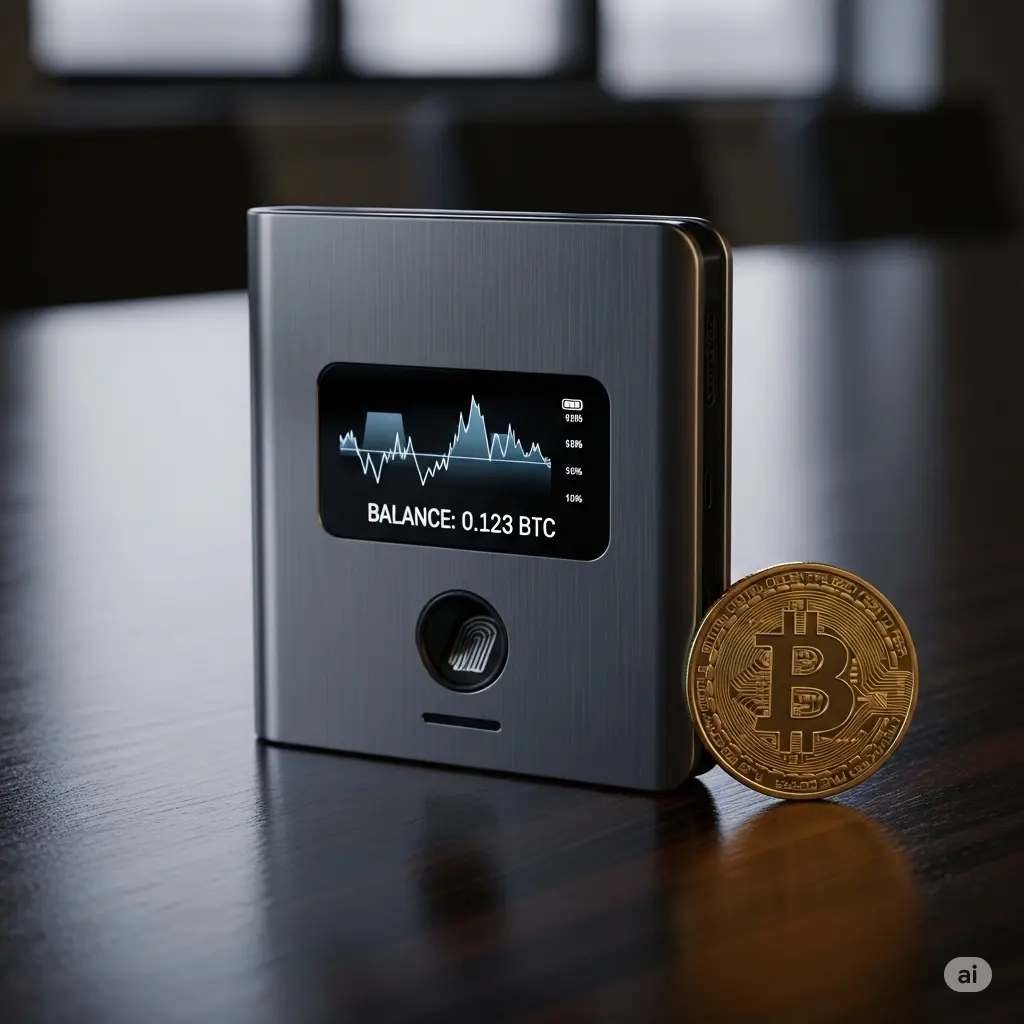
2. Understanding the Secure Crypto Wallet
2.1 What Makes a Wallet “Secure”?
A Secure Crypto Wallet incorporates:
- Private key protection: Keeps your keys offline or encrypted.
- Seed phrase backup: Enables recovery if hardware/software is lost.
- Device safeguards: PINs, passphrases, biometric locks.
- Offline capability: Cold wallets that are never connected to the internet.
- Verified firmware/software: Ensuring authenticity before transactions.
2.2 Categories: Cold Wallet vs Hot Wallet
| Type | Description | Pros | Cons |
|---|---|---|---|
| Cold Wallet (e.g., hardware, paper) | Offline storage for private keys | High security, immune to online hacks | Less convenient for frequent use |
| Hot Wallet (e.g., mobile, desktop, web) | Connected to internet | Easy access, smooth DeFi integration | Higher vulnerability to hacks, phishing |
3. Breakdown by Wallet Type (H2, H3 structure)
3.1 Cold Wallet (Hardware Wallet, Paper Wallet)
3.1.1 Hardware Wallet
Think Trezor, Ledger, or newer secure devices. They store private keys in a secure chip and sign transactions offline. You connect only to broadcast signed transactions.
Pros:
- State‑of‑the‑art crypto wallet security.
- Less susceptible to malware or phishing.
- Great for long‑term holdings.
Cons:
- Initial purchase cost.
- Potential firmware update vulnerabilities if not careful.
- Requires safe storage of the seed phrase.
3.1.2 Paper Wallet
Your keys are printed on paper or engraved on metal; completely offline.
Pros:
- Zero digital vulnerability.
- Low‑cost.
Cons:
- Easily lost or damaged.
- Risky to create/print unsecured networks.
- No reuse without safer handling.
3.2 Hot Wallet (Mobile Wallet, Desktop, Web/Web3 Extensions)
3.2.1 Mobile Wallet
Apps like Trust Wallet, Exodus, and MetaMask Mobile.
Pros:
- Convenient on‑the‑go access.
- Smooth DeFi, swap, and NFT integration.
- Often includes backup via encrypted private key or seed phrase.
Cons:
- Vulnerable to phone malware, SIM attacks.
- Risk if the device is lost or stolen.
3.2.2 Desktop Wallet
Software you install—like Electrum, Exodus desktop edition.
Pros:
- More features than a mobile in some cases.
- Possible offline “cold storage” mode.
Cons:
- Virus/malware risk.
- Vulnerable OS remains your responsibility.
3.2.3 Web/Browser Extensions (e.g., Metamask)
Quick access to Web3 platforms; store keys locally in browser.
Pros:
- Seamless DeFi, NFT, and dApp access.
- Easy to use.
Cons:
- Phishing risks with malicious websites.
- Browser vulnerabilities.

4. Real‑World Examples & Case Studies
4.1 Case Study: Exchange Hack vs Secure Wallet
In 2024, a major exchange lost users’ funds due to compromised hot wallets. Those holding assets in cold wallets like Ledger survived unharmed. The takeaway: if you don’t need daily access, cold storage is safer.
4.2 Case Study: Seed Phrase Gone Wrong
A user stored seed phrases digitally and got hacked, losing $100k. Another kept a steel backup of the phrase in a fire‑safe vault and recovered their funds after 3 years. Lesson: Proper wallet backup is just as vital as defense.
5. Pros & Cons, Benefits & Risks
5.1 Benefits of a Secure Crypto Wallet
- Maximum protection for your Bitcoin and altcoins.
- Peace of mind in a volatile, high‑risk environment.
- Self‑custody—you control your money (vs relying on exchanges).
- Enhanced trust in DeFi and Web3 interactions.
5.2 Risks & Downsides
- User error: lose seed phrase, get locked out forever.
- Cost: Hardware wallets cost money.
- Inconvenience: less easy trading/swapping with cold wallets.
- Firmware/software scams: fake devices or updates targeting hardware wallets.
6. Actionable Advice for Beginners and Intermediate Investors
6.1 Beginners: Start with Basics
- Start with a hot wallet you install on your phone or browser—good for small amounts and practice.
- Always generate your seed phrase offline and write it down on paper or a steel backup.
- Never store your seed phrase digitally (e.g., in Notes, email, cloud).
- Get familiar with the best crypto wallet 2025 reviews, especially those featured on Global Crypto Sports, to choose reputable options.
6.2 Intermediate Users: Take Security to the Next Level
- Invest in a hardware wallet—choose well-reviewed brands.
- Maintain wallet backups: store seed phrases in multiple secure locations.
- Use a password manager for metadata (never the actual seed).
- Practice software hygiene: download wallets from official sources only.
- Enable multi‑signatures (multisig) if available—adds an extra layer of security.
6.3 Ask Yourself: Which Wallet Fits Your Strategy?
Use this quick decision matrix:
- Long‑term holding with minimal activity? → Cold wallet.
- Frequent trading or DeFi usage? → Hot wallet with small balance + hardware for long‑term stash.
- Max security with convenience? → Hybrid: maintain hardware wallet for large sums, mobile for day‑to‑day.
7. Frequently Asked Questions (FAQ)
Q1: What exactly is a “Secure Crypto Wallet”?
A: It’s any wallet—hardware, mobile, software, web—that places a strong emphasis on protecting your private keys via encryption, offline storage, backups, and vetted firmware.
Q2: Which is the best crypto wallet in 2025?
A: “Best” depends on your needs. If you prioritize security, hardware wallets like Ledger and Trezor continue to lead. For convenience, mobile wallets like Trust Wallet or MetaMask Mobile are top choices. Check Global Crypto Sports reviews for up‑to‑date comparisons.
Q3: What’s the difference between a cold wallet and a hot wallet?
A: A cold wallet stays offline, offering maximum security. A hot wallet is Internet‑connected—easier to use but more exposed to hacks.
Q4: What’s a seed phrase—and how should I back it up?
A: A seed phrase (also called recovery phrase) is a human‑readable backup of your private key—typically 12–24 words. Write it down physically (paper or steel) and store it in multiple secure locations. Never store it digitally.
Q5: Is a mobile wallet safe enough?
A: Mobile wallets are generally safe for small amounts if used properly—use strong device security, reputable apps, and back up your wallet. For large holdings, consider adding a hardware wallet.
Q6: What is a decentralized wallet?
A: A decentralized wallet (non‑custodial) means you hold your private keys—no third party controls your crypto. That includes most hardware, mobile, and desktop wallets, as opposed to custodial services like exchanges.
Q7: How do I ensure proper wallet backup?
A: Use offline backups of seed phrases, consider steel backups for fire/water safety, store in secure, geographically separated locations, and test recovery when possible.
8. Conclusion and Call‑to‑Action
In 2025’s fast‑paced crypto landscape, using a Secure Crypto Wallet isn’t optional—it’s essential. Among growing threats like phishing, malware, and exchange failures, safeguarding your keys is your responsibility.
Here’s what to do now:
- Choose and use a wallet that fits your needs—hot for easy use, cold for long‑term hold, or a hybrid.
- Backup your seed phrase securely—never lose or expose it.
- Stay informed—follow Global Crypto Sports for the latest wallet reviews, security threats, and crypto news.
- Start small if you’re a beginner; scale up your security as you grow.
Take control of your crypto—not just your investments, but the safety of your digital future. Share this post, stay vigilant, and invest wisely!