
This guide gives you everything you need to secure your Secure Crypto Wallet confidently: from understanding cold wallet vs. hot wallet, using the best crypto wallet 2025, safeguarding your seed phrase, to backups, hardware, mobile, and decentralized security—and doing it the smart way.
1. Why Secure Crypto Wallet Guide Matters
You rely on valuable digital assets. You need a Secure Crypto Wallet to store them safely. Rather than generic tips, this post digs deep. You’ll gain real, actionable advice from the trusted voice of Global Crypto Sports, so you’ll feel confident with every key, phrase, and backup choice.

2. What Is a Secure Crypto Wallet?
A Secure Crypto Wallet is a tool—software or hardware—that stores cryptographic keys safely. Essentially, your money is not in the wallet; your keys are. Therefore, keeping keys secure means protecting your wealth.
Types of Crypto Wallets
- Cold wallet: Offline storage (e.g., hardware, paper). Very secure.
- Hot wallet: Online storage (e.g., mobile, desktop, web). Convenient, but more vulnerable.
- Hardware wallet: A physical device. Usually top-tier for security.
- Mobile wallet: Installed on smartphones. Easy to use, mobile-friendly.
- Decentralized wallet: Non-custodial, gives full control, no third-party risk.
3. Choosing the best crypto wallet 2025 (and beyond)
3.1 What Makes a Wallet “Best”?
- Strong crypto wallet security (e.g., PIN, biometrics, encryption).
- Reputation: trusted by Global Crypto Sports and industry experts.
- Regular updates and open-source code ideally.
- Friendly interface for both new and advanced users.
- Supported assets and chains you use.
3.2 Cold vs Hot Wallet: Trade-offs
| Wallet Type | Security Level | Convenience | Use Case |
|---|---|---|---|
| Cold wallet (e.g., hardware) | Very high | Less convenient | Long-term storage, large holdings |
| Hot wallet (mobile/web) | Medium–low | Very convenient | Everyday transactions |
To be safer, use a cold wallet for most savings. But keep a hot wallet for small, daily spending.
4. Guarding Your seed phrase
Your seed phrase is the master key to your wallet. Losing it means losing access. Exposing it means losing everything. So…
4.1 Real Tips for Seed Phrase Safety
- Write it on paper or metal—never digital.
- Store it in multiple secure locations.
- Use fireproof, waterproof storage.
- Do not take photos or store them online.
- Avoid typing it into unknown or phishing sites.
4.2 Best Practices
- Use a metal backup like titanium plates.
- Use an encrypted USB only as a secondary backup, stored offline.
- Create multiple copies in separate secure locations.
- Test recovery occasionally in a safe environment.
5. Using a hardware wallet properly
Hardware wallets like Ledger or Trezor are common. They are the best crypto wallet 2025 candidates. Yet, misuse compromises safety.
5.1 Setup Steps
- Buy from a trusted vendor.
- Initialize using an isolated device.
- Write down the seed phrase manually.
- Add a PIN or passphrase.
- Update firmware regularly.
5.2 Daily Use
- Confirm transaction details on the device’s screen.
- Never share private keys, even with support.
- Beware phishing: verify domain names and app authenticity.
6. Managing a mobile wallet
A mobile or hot wallet is handy but riskier. However, when done right, it’s still safe for daily use.
6.1 Safety Strategies
- Download apps only from official stores.
- Use strong device security: biometrics, passwords.
- Enable 2FA or biometric verification.
- Keep software updated.
- Limit holdings—only keep what you plan to use.
6.2 Backup & Recovery
- Secure your seed phrase the same as before.
- Backup mobile app to encrypted storage.
- Test the restore process occasionally.
7. Going decentralized wallet
A decentralized wallet (e.g., MetaMask, Trust Wallet) gives you full control. It eliminates custodial risk but transfers full responsibility to you.
7.1 Why Use One
- You keep your keys.
- No central trust or third party.
- Full compatibility with DeFi and Web3 tools.
7.2 How to Secure It
- Apply the same seed phrase best practices.
- Use passphrase features when available.
- Consider hardware integration like connecting Ledger to MetaMask.
- Beware of malicious dApps.
8. Building Your Personal Wallet Strategy
You have needs, habits, and risks. Here’s a balanced approach.
- Primary storage (cold wallet): Store 80–90% of crypto.
- Daily budget (hot wallet): Keep a small amount for spending.
- Emergency stash: Secondary cold or mobile backup.
8.1 Practical Advice
- Use a wallet tracker or spreadsheet offline for the location of backups.
- Review your strategy yearly or when adding assets.
- Teach a trusted family member recovery steps in an emergency.
9. Wallet backup essentials
Losing a wallet is terrifying. Backup protects against it.
9.1 Backup Checklist
- Physical copy (paper/titanium) of seed phrase.
- Secondary digit-encrypted data d) is stored offline.
- Document and store the wallet address so you can verify recovery.
- Keep recovery steps written clearly.
9.2 Where to Store Backups
- Bank safe deposit box.
- Home safe (fireproof).
- With trusted family in a sealed envelope.
10. Security Tips That Work
- Frequently update wallet firmware and apps.
- Use anti-malware on devices.
- Use a VPN on public Wi‑Fi.
- Beware of phishing—always check URLs, avoid unsolicited links.
- Use unique passwords and consider a reputable password manager.
- Use multi‑signature wallets for shared control.
- Implement passphrase or “password 25” features where supported.
11. Crypto Security Practices to Bookmark
Think of these as landmarks on your safety journey:
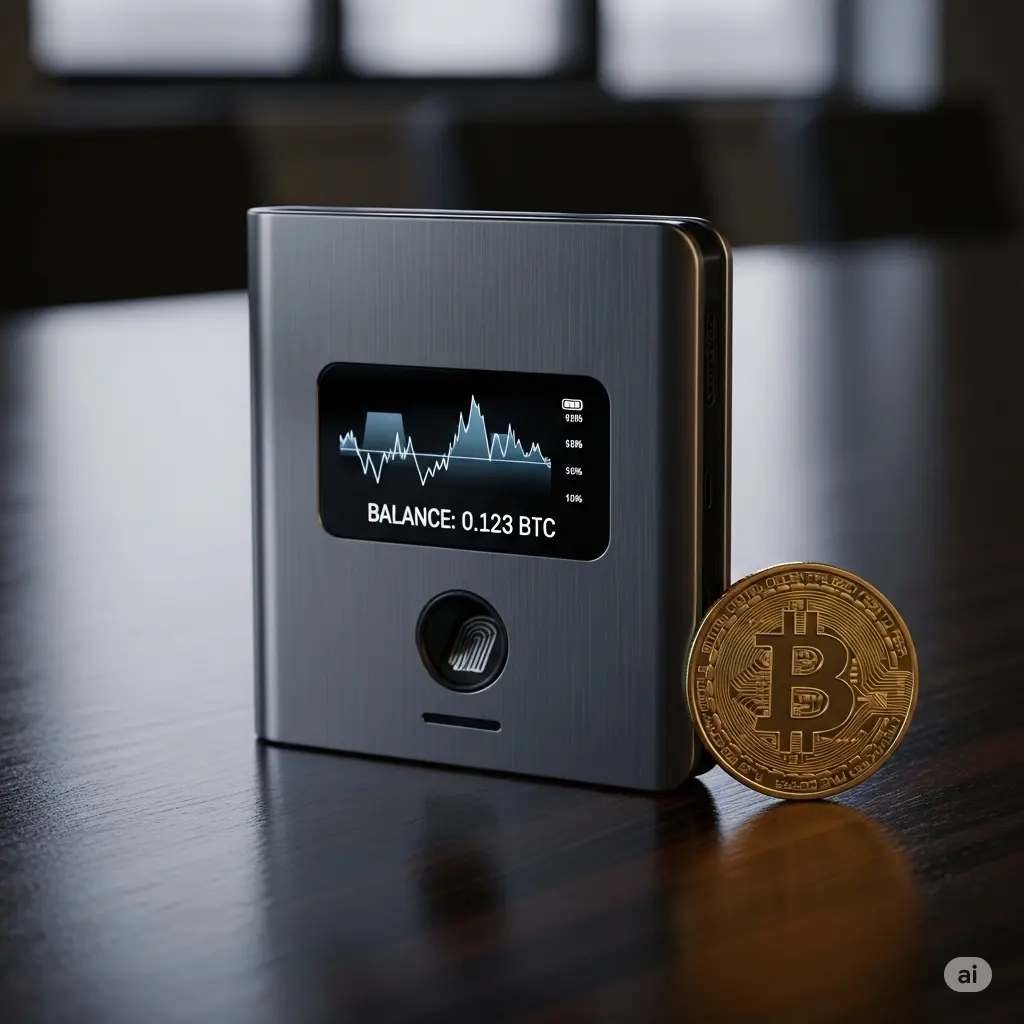
- Hardware Stronghold: Store long‑term crypto in a hardware wallet in a safe location.
- Paper Fortress: A well‑protected seed phrase record is a safeguard.
- Mobile On‑the‑Go: A mobile wallet for small, everyday transfers.
- DeFi Gatekeeper: Use decentralized wallets for seamless smart contract access.
- Recovery Beacon: A documented recovery process ensures rescue in emergencies.
Each highlight helps you map where your assets live and how to protect them.
12. Building Trust with Global Crypto Sports
As part of Global Crypto Sports, this guide values your trust. You’re getting tested, timely, and practical insights. We don’t use fluff or marketing jargon. Instead, we offer actionable, real‑world guidance you can test immediately.
From our experience covering digital asset trends, we know security is the foundation. That’s why we deliver clear, reliable advice you can depend on—whether you’re a seasoned trader or a first‑time crypto investor.
13. FAQs
Q: What’s the most secure wallet type?
A: A hardware wallet (cold wallet) generally offers the highest crypto wallet security when set up properly.
Q: Can I store my seed phrase on a USB drive?
A: It’s risky. Only if it’s encrypted, stored offline, and you have backup copies elsewhere. Physical backups (paper or metal) are safer.
Q: How many wallets should I have?
A: At least two: one cold wallet for long‑term storage, one hot/mobile wallet for daily use. Optionally, a decentralized wallet for advanced DeFi needs.
Q: What if I lose my seed phrase?
A: Without it, you lose access. Always make multiple backups in secure places.
Q: Are mobile wallets safe?
A: Yes, if you apply strong device security (PIN, biometrics), download from trusted sources, and keep only small amounts there.
Q: Can wallet apps get hacked?
A: They can. Use official apps, avoid phishing, and consider hardware backups or multisig options.
14. Common Myths — Debunked
| Myth | Reality |
|---|---|
| “I don’t need a backup; I’ll remember.” | You likely won’t. Always write down and secure your seed phrase. |
| “Online wallets are good enough.” | For small amounts yes, but large crypto belongs in a cold wallet. |
| “Only expensive hardware wallets work.” | Cheap ones can work too, but always buy from trusted sources. |
| “I can rely on the exchange.” | Exchanges can fail or get hacked—your keys, your crypto. |
| No. If your device is compromised, attackers see it instantly. | No. If your device is compromised, attackers see them instantly. |
15. Final Thoughts and Next Steps
- Start by securing a recommended hardware wallet. Read reviews, check Global Crypto Sports reviews.
- Set it up safely. Write down your seed phrase, store it correctly.
- Use a hot wallet just for daily use; never store huge sums there.
- Practice backups and test recovery plans occasionally.
- Stay updated on wallet security advisories and firmware.
- Educate and involve a trusted ally for emergencies.
You’ve just armed yourself with the complete knowledge needed. Now go forth confidently and secure your digital holdings wisely.