
In a world buzzing with digital money, trust matters more than ever.
An ultimate secure crypto wallet can make trust instant and real.
This topic is critical right now because cyber threats are evolving fast.
Crypto assets are rising globally, and security demands are spiking.
If you’re part of Global Crypto Sports, you want top-tier protection.
The right wallet protects your funds, your peace of mind, and your future.
In this article, you will find complete information about secure wallets.
You’ll learn definitions, pros, cons, examples, and practical guidance.
Your confidence will grow as you explore crypto wallet security in depth.
What Is a Secure Crypto Wallet?
A Secure Crypto Wallet holds your cryptocurrency safely.
It stores your private keys to authorize transactions.
It ensures safe storage, access, and transfer of crypto.
There are two main types: cold wallet and hot wallet.
Knowing the differences will help you choose wisely.
Key Terms Explained
- Blockchain: A digital ledger that records transactions across many computers.
- DeFi: Decentralized finance, enabling financial services without traditional banks.
- Web3: The new internet era where users control data and identity.
- Private Key: A secret code that grants control of your crypto.
- Public Key: A public address used to receive crypto.
Why Does Secure Crypto Wallet Matter Now?
Crypto is mainstream. New investors join daily.
Global Crypto Sports and other news sites report rising cyber threats.
Hackers seek vulnerabilities in wallets and exchanges.
A secure crypto wallet is no longer optional—it is vital.
It builds trust, especially in fast‑moving crypto communities.
Whether using DeFi or Web3 apps, safety remains paramount.
Types of Wallets: Cold, Hot, Hardware, Mobile, Decentralized
1. Cold Wallet
A cold wallet stays offline.
It dramatically reduces the risk of online hacks.
Hardware devices and paper wallets are common forms.
It is ideal for long‑term holdings and large balances.
Pros
- Immune to online hacks.
- Compact and portable.
- Long lifespan for hardware wallets.
Cons
- Less convenient for quick trades.
- Requires careful physical storage.
- Can be lost or damaged.
2. Hot Wallet
A hot wallet connects to the internet.
It is convenient for daily trading or DeFi use.
Examples include web wallets and mobile apps.
Pros
- Instant access to funds.
- Great for active traders.
- Many wallets integrate with DeFi platforms.
Cons
- Online exposure increases hack risks.
- Vulnerable to phishing and malware attacks.
- Requires strong crypto wallet security practices.
3. Hardware Wallet
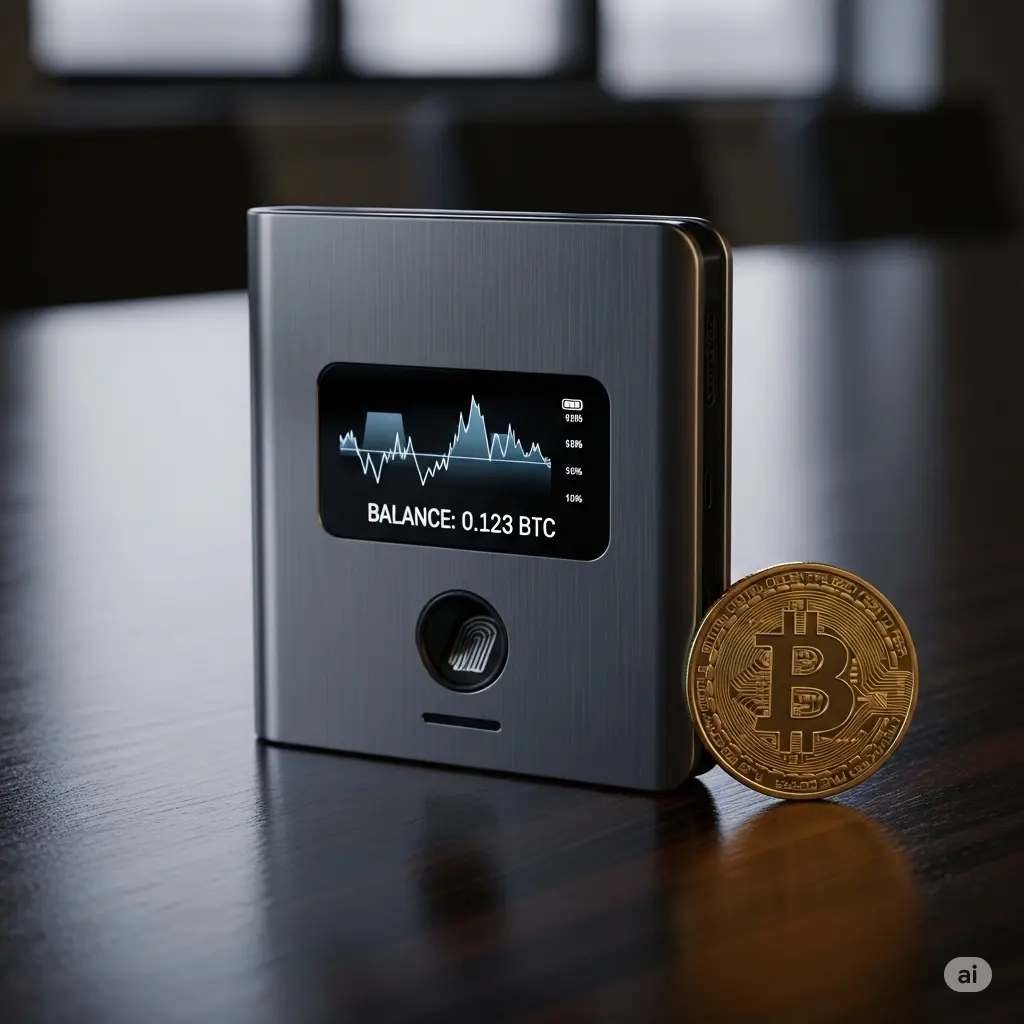
Hardware wallets are physical devices.
They act like cold wallets.
Leading models include Ledger and Trezor.
Often considered the best crypto wallet 2025 by reviewers.
Pros
- Isolated offline key storage.
- PIN and physical confirmation for transactions.
- Strong resistance to hacks and phishing.
Cons
- Cost is higher than free wallets.
- Slight learning curve for beginners.
- Must ensure genuine device purchase.
4. Mobile Wallet
Mobile wallets are installed on smartphones.
They often integrate with easy use and QR codes.
Examples: Trust Wallet, MetaMask mobile.
Pros
- Access crypto anytime, anywhere.
- User-friendly for beginners.
- Supports DeFi and Web3 dApp connections.
Cons
- Prone to phone hacking or loss.
- Sensitive to malware or theft.
- Backup and wallet backup are crucial.
5. Decentralized Wallet
A decentralized wallet gives you control of your keys.
It often connects to blockchain ecosystems directly.
Examples include MetaMask, WalletConnect, and others.
Pros
- You own your assets entirely.
- No intermediary risk.
- Compatible with Web3 and DeFi apps.
Cons
- User must manage security alone.
- Mistakes can lead to permanent loss.
- A strong need for secure backup.
Real‑World Examples and Case Studies
Case Study: Cold Wallet Success
Alice stored her funds in a hardware wallet.
Her device was stored in a fireproof safe.
During a phishing attack on her email, she stayed safe.
Her cold wallet had never connected to the internet.
Her assets remained secure. Lesson: offline protection works.
Case Study: Hot Wallet Breach
Bob used a popular mobile wallet to trade.
He clicked a malicious link in a crypto forum.
Hackers stole his access, moved funds instantly.
He had no wallet backup. Loss was permanent.
Lesson: hot wallets need vigilant security and backups.
Example: Decentralized Wallet Recovery
Cara lost her smartphone with MetaMask.
Luckily, she had her 12‑word recovery phrase securely stored.
She restored her decentralized wallet on a new phone.
Assets returned safely. Lesson: recovery phrase must be stored offline and safely.
Choosing the Best Crypto Wallet 2025

Here’s how to assess options:
- Security: Cold, hardware wallets lead.
- Convenience: Hot or mobile wallets win for daily use.
- Backup: Ensure easy recovery options.
- Cost: Free hot wallets versus paid hardware devices.
- Compatibility: Works with your crypto platforms and DeFi.
- Reputation: Trusted brands reduce risk.
Global Crypto Sports recommends hardware wallets for long‑term holdings.
For small trades, mobile or hot wallets may suffice.
Always apply strong crypto wallet security.
Benefits of the Ultimate Secure Crypto Wallet
- Protects your private keys from theft.
- Enables safe engagement with Web3 and DeFi.
- Builds trust instantly in decentralized systems.
- Keeps access seamless when backups are in place.
- Educates users on best practices in crypto management.
Potential Risks and How to Mitigate Them
| Risk | Description | Mitigation |
|---|---|---|
| Physical loss | Losing hardware device or paper backup. | Use antivirus software and avoid suspicious apps. |
| Phishing attacks | Store backups in a safe, reliable place. | Always verify website addresses and links. |
| Malware & viruses | Software threats on devices. | Use antivirus and avoid suspicious apps. |
| Weak passwords | Easy-to-guess passwords or seed phrase exposure. | Use complex phrases and physical storage. |
| Fake wallets | Scammers offer counterfeit apps or devices. | Download from official sources only. |
Actionable Advice for Beginners
- Start with a mobile wallet to learn the basics.
- Research wallet options; look for reputable brands.
- Purchase a hardware wallet if storing large amounts.
- Store your wallet backup safely offline.
- Use strong PINs and avoid shared devices.
- Enable two‑factor authentication where possible.
- Regularly update wallet software for security patches.
- Never share your recovery phrase with anyone.
Actionable Advice for Intermediate Investors
- Use a mix of cold and hot wallets for balance.
- Keep most assets in hardware cold storage.
- Use hot wallets only for active trading or staking.
- Explore decentralized wallets for Web3 access.
- Split backup phrases across secure locations.
- Rotate storage methods over time for lower risk.
- Track wallet activity and email alerts for anomalies.
- Stay informed via Global Crypto Sports for sector updates.
FAQs
1. What is the most secure crypto wallet?
A hardware cold wallet is the most secure choice.
It keeps your private keys offline and requires physical confirmation.
2. Should I use a hot wallet or cold wallet?
Use hot wallets for convenience.
Use cold wallets for long‑term holdings.
A combination often works best.
3. What is the best crypto wallet 2025 according to experts?
Reviews favor hardware wallets like Ledger and Trezor.
They combine security and usability for modern investors.
4. What is a decentralized wallet?
A decentralized wallet gives you full control of your keys.
It connects directly to blockchain services without intermediaries.
5. How do I back up my wallet safely?
Write down your recovery or seed phrase on paper.
Store copies in secure, fire‑proof locations.
Do not store online or share it.
6. How do I protect my mobile wallet?
Use strong PINs or face ID.
Update apps regularly.
Avoid suspicious downloads and public Wi‑Fi when transacting.
7. Can I recover my wallet if I lose it?
Yes, if you still have your backup phrase.
Import the phrase into a compatible wallet.
Without it, recovery is impossible.
Conclusion
A strong secure crypto wallet is vital in today’s crypto landscape.
It truly makes trust instant and real for users worldwide.
Whether you use cold, hot, hardware, mobile, or decentralized wallets, each serves a purpose.
Maximize your safety with hardware wallets for storage.
Use mobile wallets for convenience with safety practices.
Always maintain a secure wallet backup, offline and hidden.
Stay informed about crypto security developments via Global Crypto Sports.
Invest wisely, stay cautious, and prioritize safe storage.
Feel empowered knowing you built strong crypto protection.
If this guide helped, please share it, explore more, and stay secure in crypto.